

Name as it appears on the ballot: Terrance (TRUTH) Ruth
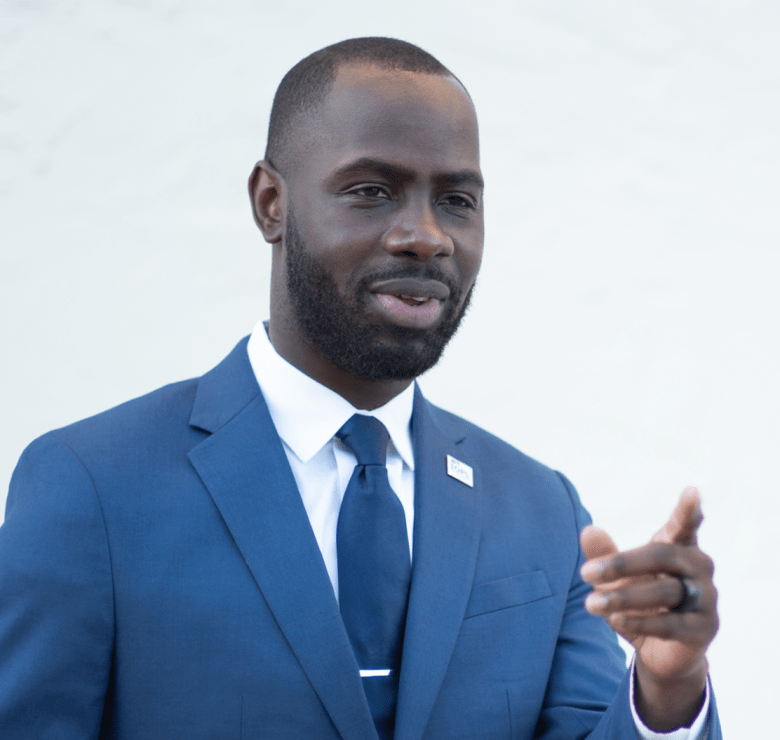
Age: 42
Party affiliation: Democrat
Campaign website: truthforraleigh.org
Occupation & employer: NCSU Professor, NC State University
Years lived in Raleigh: 15 years
Given the direction of Raleigh government, would you say things are on the right course? If not, what specific changes will you advocate for if elected?
While Raleigh has made strides in several areas, including economic growth and infrastructure improvements, I believe there are critical gaps in leadership when it comes to addressing the needs of all residents, particularly in housing affordability, equity, and public engagement. The rapid growth Raleigh has experienced is commendable, but the city government has struggled to create inclusive policies that ensure that growth benefits everyone, particularly working-class families and marginalized communities. The lack of affordable housing, for instance, is a pressing issue, with a shortfall of over 23,000 affordable units still unmet despite various programs aimed at addressing the problem. This gap highlights the need for stronger leadership, not just to react to problems, but to proactively create long-term solutions that prioritize the needs of low-income residents.
If elected, I will advocate for a multi-faceted approach to address these concerns. First, Raleigh must increase its commitment to affordable housing by not only increasing funding but also taking aggressive steps to protect naturally occurring affordable housing (NOAH). Cities such as Austin and Minneapolis have set best-practice examples by implementing anti-displacement policies alongside their growth agendas, which could serve as models for Raleigh. I would also push for stronger accountability measures for developers to ensure that agreements to provide affordable units are not undermined over time, as has happened with some projects in Raleigh. Additionally, I would advocate for a more transparent and community-driven process, ensuring that citizens are consistently involved in shaping the city’s future.
Raleigh has the potential to remain on the right course, but it requires leadership that is bold enough to implement forward-thinking policies. The focus must shift from reactive measures to preventative strategies that keep the city’s working-class residents from being displaced by market forces. These changes are not only necessary but also possible if we listen to the voices of all residents and lead with a commitment to equity and inclusiveness.
If you are a candidate for a district seat, please identify your priorities for your district. If you are an at-large or mayoral candidate, please identify the three most pressing issues the city faces.
As a mayoral candidate, the three most pressing issues facing Raleigh are housing affordability, public safety, and transportation infrastructure. Each of these areas is deeply interconnected and essential to creating a thriving, equitable city. Addressing these challenges will require comprehensive policies rooted in research, best practices, and collaboration across all levels of government and the community.
Housing affordability is perhaps Raleigh’s most urgent challenge, as the city faces a deficit of 23,000 affordable housing units. While the median home price in Raleigh surged to $450,000 in 2023, working-class families are increasingly priced out of the housing market. To address this, I would advocate for expanding affordable housing funding from $30 million to $70 million per year. In cities like Austin, Texas, which invested $250 million in housing bonds, we’ve seen increased affordable housing units built while also protecting long-term affordability through land banking and preserving naturally occurring affordable housing. Raleigh can also identify underutilized city- and state-owned land, totaling at least 100 acres, for future affordable housing projects, a practice successfully modeled by cities like Charlotte. These initiatives will help ensure that all Raleigh residents, regardless of income, can continue to live and thrive in our city.
Public safety in downtown Raleigh is a growing concern, with residents and business owners voicing their fears about increasing crime, particularly after the COVID-19 pandemic. Public perception is crucial, and the city’s leadership must work to create a sense of safety that reflects reality. One key solution is improving the conditions for officer recruitment and retention, which has become a significant challenge as the cost of living rises. According to the Raleigh Police Department, like many other U.S. cities, we are struggling to maintain a full police force. This is compounded by the fact that many officers cannot afford to live in the city they serve. Increasing affordable housing options for public servants, coupled with competitive salaries, is essential. Cities like Minneapolis have developed programs where police officers receive housing incentives to live within the communities they serve, fostering stronger relationships and a greater sense of responsibility. By making Raleigh a more affordable place for officers and other public servants, we can improve both retention and safety outcomes downtown.
Finally, transportation must be a top priority if we are to keep pace with Raleigh’s rapid growth. Traffic congestion and lack of reliable public transportation options hinder access to jobs, schools, and essential services. Raleigh needs a robust multimodal transit system that includes expanding Bus Rapid Transit (BRT), microtransit, and regional commuter rail. Other cities like Portland and Seattle have seen success in connecting public transit with affordable housing initiatives to reduce transportation costs for low-income residents. By prioritizing transit-oriented development and improving public transportation, we can reduce traffic congestion, promote sustainability, and create equitable access to the economic opportunities our growing city offers. These three areas—housing, safety, and transportation—are critical to the future of Raleigh, and I am committed to leading with bold, research-driven solutions to address them.
What in your record as a public official or other experience demonstrates your ability to be effective as a member of the city council and as an advocate for the issues that you believe are important?
My experience across various leadership roles and academic positions has uniquely equipped me to be an effective advocate and member of the city council. As a statewide policy evaluator with NC State University’s Friday Institute, I have worked on evaluating programs and policies
across North Carolina, providing me with a deep understanding of how public policy impacts communities at both the state and local levels. My work focused on educational equity and economic opportunity, helping to bridge the gap between policy and practice. Through data-driven analysis and stakeholder engagement, I was able to shape recommendations that directly informed policy adjustments, ensuring that they were culturally responsive and equitable.
As the National Vice President of Community Innovation for Forward Cities, I led national efforts to create more inclusive innovation ecosystems in cities across the U.S. This role involved working closely with community stakeholders, business leaders, and local governments to design and implement strategies that increased economic mobility for underrepresented populations. These experiences have taught me the value of collaborative problem-solving and the necessity of leveraging cross-sector partnerships to address pressing community issues. My approach to city council would be grounded in these same principles—prioritizing inclusive economic development and equity-driven solutions that empower marginalized communities.
Additionally, my tenure as the State Executive Director of the NAACP in North Carolina and my current position as an Assistant Professor at NC State University in the School of Social Work and Africana Studies, have further deepened my commitment to social justice and community empowerment. I have consistently worked at the intersection of policy, advocacy, and education, equipping me with the tools necessary to advocate for the people of Raleigh. My work in these roles has not only provided me with an understanding of the systemic issues that affect marginalized populations but has also strengthened my ability to engage in policy work that is informed by research, best practices, and community needs. Through these diverse experiences, I am well-prepared to serve effectively on the Raleigh City Council, championing solutions that create a more equitable and just city for all its residents.
In 2021, the Raleigh City Council enacted a missing middle policy to allow for the construction of new, diverse types of housing across the city. More than 2,000 newly-allowed units have been added to the city’s housing stock under the policy, yet there has been pushback from residents, including lawsuits. Do you support Raleigh’s missing middle housing policy as is, or do you think it needs amending? If you feel it needs to be changed, please explain.
I support Raleigh’s Missing Middle Housing policy in its current form, but only if it is shown to meaningfully increase affordability and create opportunities for homeownership for the residents experiencing the most intense market pressures. The goal of the policy, which has allowed for the construction of over 2,000 new housing units, is to create a more diverse housing stock, which can increase supply and, theoretically, reduce housing costs. If this policy helps Raleigh to meet its affordability targets and ensures that long-term residents, especially those in historically marginalized communities, have access to affordable ownership opportunities, it can be an effective tool for combating the housing crisis.
However, the policy must also be responsive to the realities of housing affordability. While increasing density is a crucial step, it is only part of the solution. We need mechanisms that ensure that these new housing types are accessible to low- and moderate-income families, not just to wealthier new residents. Without such measures, there is a risk that increased density could lead to gentrification rather than equitable growth. For example, research has shown that missing middle housing in other cities often benefits middle-income earners without significantly helping those in lower income brackets unless additional affordability guarantees are in place.
To strengthen the Missing Middle policy, I advocate for integrating affordability requirements—such as community benefit agreements, city owned land incentives or land trusts—that will guarantee a portion of these new housing units remain affordable to families facing the highest housing pressures. This would ensure that the benefits of increased density are shared equitably across all income levels and that the policy works in tandem with other affordable housing programs to protect existing communities from displacement.
Raleigh has many funds, programs, and partnerships in place aimed at addressing affordable housing, but still has a deficit of some 23,000 affordable units. What more can the city do to secure affordable housing, and what more can it do to ensure that low-income residents don’t face displacement?
Raleigh’s affordable housing crisis is one of the most pressing issues the city faces, with a gap of over 23,000 units. The city has made efforts to address the shortage through programs like the Affordable Housing Bond, which provided $80 million to build affordable homes, and through partnerships with developers. However, these measures have not been sufficient to close the gap. To secure affordable housing, Raleigh needs to significantly increase its funding. One best practice would be to raise the current level of affordable housing funding from $30 million annually to $70 million, similar to cities like San Francisco and Boston, which have made larger investments to combat housing shortages. This increase could allow for more units to be built and for the city to better support lower-income families.
Beyond funding, Raleigh must prioritize policies that protect existing affordable housing and prevent displacement. The city could adopt policies such as rent control, which has been used in places like New York City and San Francisco to limit the rate at which rent can increase, keeping housing costs more predictable for tenants. Additionally, Raleigh could implement anti-displacement strategies by preserving naturally occurring affordable housing (NOAH) and ensuring that development projects include long-term affordable units. Another innovative approach is the use of community land trusts, where land is held by a nonprofit organization and homes are sold or rented at below-market rates. This model has been effective in cities like Burlington, Vermont.
Finally, Raleigh should take a proactive approach by identifying city-owned land that can be used for affordable housing projects. A 100-acre inventory of vacant and underutilized land could be designated for future affordable housing developments, either for immediate use or to hold for when conditions are more favorable for building. This approach, combined with increased public engagement and transparency in housing decisions, would help ensure that Raleigh doesn’t just meet its current housing needs but creates a sustainable plan for the future.
The recent resignation of GoTriangle’s CEO raises questions about the future of the county and regional transit strategy. How do you see the future of transit in Raleigh when it comes to Bus Rapid Transit, microtransit, and commuter and regional rail projects?
The recent resignation of GoTriangle’s CEO has certainly raised concerns about the future of transit in Raleigh, but this transition also presents a unique opportunity to recalibrate our approach to regional transportation. I firmly believe the future of Raleigh’s transit system lies in a multi-modal approach that includes robust investments in Bus Rapid Transit (BRT), microtransit options, and regional rail projects. These strategies can reduce congestion, expand access to underserved areas, and provide sustainable transportation solutions for our growing population. BRT, in particular, has already shown potential in cities like Seattle, reducing travel times and offering a more reliable alternative to cars. We need to ensure that our BRT routes connect with key employment centers, educational institutions, and affordable housing areas to maximize its impact on equitable access.
Microtransit, such as on-demand shuttles and smaller vehicles that can serve neighborhoods with less demand, will also play a crucial role in filling transportation gaps. Programs like these can particularly benefit lower-income residents and seniors who live in areas not well-served by traditional fixed-route systems. We can draw from best practices in cities like Los Angeles, which uses microtransit to improve mobility in underserved communities. By developing a robust network of small-scale transit options alongside our larger infrastructure projects, we ensure that our transit solutions are inclusive and responsive to community needs.
Looking to the future, we should consider innovative, long-term projects like creating a Raleigh version of Atlanta’s Beltline—a large-scale infrastructure project that could connect key parts of the city via rail and pedestrian pathways. The Beltline has not only improved transit access in Atlanta but has also spurred economic development and provided public green spaces. Implementing something similar in Raleigh could serve as a powerful catalyst for transit-oriented development, making it easier for residents to access housing, jobs, and recreational spaces without needing a car. This vision would require collaboration across city and state governments and private sector partnerships, but it could be transformative for Raleigh’s future transit landscape.
A common complaint from residents is that the city council doesn’t do enough public engagement, with the plan to relocate Red Hat Amphitheater being one recent example. Do you agree with this assessment? If so, what more should the city government and council do to engage residents with city business?
I agree that Raleigh’s public engagement could be significantly improved. The recent proposal to relocate Red Hat Amphitheater is a prime example of how residents feel disconnected from major decisions that impact the community. Many residents express concerns that decisions are being made without adequate input from diverse groups, especially those in historically marginalized neighborhoods. To build a healthier community engagement strategy, we need to move beyond traditional methods like town halls and start incorporating high-tech, innovative approaches to reach more residents.
One solution is the use of digital engagement platforms that allow residents to participate in decision-making from their phones or computers. Cities like San Francisco and Boston have successfully implemented these platforms, where residents can weigh in on zoning changes, city budgets, and new developments in real time. This can be expanded in Raleigh by utilizing social media, text message updates, and mobile apps for residents to stay informed and offer their feedback on city decisions, ensuring a more transparent process.
While technology is a key component, revitalizing the Citizens Advisory Councils (CACs) is equally important. The challenge for CACs has been maintaining a membership that reflects the diverse makeup of Raleigh’s neighborhoods. To address this, we could implement incentives for CACs to recruit diverse and representative membership. This might include offering leadership training programs, small stipends, or neighborhood grants for CACs that actively work to recruit underrepresented groups, such as renters, young people, and communities of color. In addition, the city can partner with local universities and businesses to create innovation hubs that foster public engagement through interactive workshops, surveys, and forums, ensuring every voice in our community has a chance to be heard. By blending technology with incentivized community participation, we can ensure a more inclusive and engaged Raleigh.
Downtown Raleigh has had a rough five years following the COVID pandemic with the transition to working from home and business owners reporting an increase in crime and other issues. Many see keeping Red Hat Amphitheater downtown as a positive step; what else does the city need to do to help downtown with its recovery and plan for its future?
The challenges facing Downtown Raleigh in the wake of the COVID-19 pandemic are undeniable. The shift to remote work has reduced foot traffic, affecting businesses that rely on a vibrant downtown workforce. Additionally, concerns about crime and public safety have heightened, making it even more difficult for businesses to recover. Keeping the Red Hat Amphitheater downtown is certainly a positive step, as it will help draw more visitors to the area. However, this alone is not enough. Raleigh must take a comprehensive approach to downtown revitalization, focusing on economic development, public safety, and quality-of-life improvements to ensure the long-term success of the area.
First, the city should prioritize efforts to support small businesses in the downtown area. This could include providing grants or low-interest loans to help businesses recover from the economic impact of the pandemic. In cities like Detroit and Cleveland, similar programs have been successful in revitalizing downtown areas by offering financial support to local businesses. Raleigh should also explore the creation of a Business Improvement District (BID), where local businesses pool resources to fund public space improvements, marketing campaigns, and safety initiatives that benefit the entire downtown community.
Public safety is another critical issue for downtown recovery. The city must invest in strategies to reduce crime and improve residents’ and visitors’ perceptions of safety. This could include increasing the presence of community policing initiatives, expanding mental health crisis response teams, and improving lighting and surveillance in key areas. Additionally, Raleigh should focus on creating more public spaces downtown, such as parks and plazas, to encourage people to spend time in the area. By addressing both economic and safety concerns, Raleigh can create a downtown that is not only a hub for business but also a welcoming space for all residents and visitors.
Since 2012, the City of Raleigh has paid more than $4 million in settlements to 47 individuals, families, and estates related to RPD officers’ use of excessive force and other unconstitutional interactions. What are your thoughts on the current culture at RPD? For what changes would you advocate to improve the culture of policing in Raleigh, if any?
The current culture at the Raleigh Police Department (RPD), reflected in the $4 million in settlements for excessive force and unconstitutional interactions, signals a need for significant reform. These settlements reveal a pattern of misconduct that erodes public trust and disproportionately impacts marginalized communities, particularly Black and Latino residents. National research shows that cities with high-profile cases of police violence often face widespread community distrust, and Raleigh is no exception. The department must not only address individual instances of misconduct but also examine the systemic issues that perpetuate a culture of excessive force.
To improve the culture at RPD, it is essential to shift towards a model of community-based policing that emphasizes de-escalation and relationship-building. This means that the city must prioritize housing for its city employees, enabling them to live within the communities they serve. Evidence from cities like Camden, New Jersey, where police reforms have been successful, shows that community engagement and transparency are key to reducing excessive force and building trust. This can be accomplished by increasing the number of officers trained in de-escalation techniques and mental health crisis intervention. In addition, independent oversight through a strengthened civilian review board with subpoena powers can ensure accountability when instances of misconduct occur.
Moreover, addressing implicit bias within the police force is crucial. Studies have shown that bias training can help reduce the use of force against communities of color. Raleigh should adopt rigorous training programs that address racial profiling, implicit bias, and procedural justice. The goal should be to foster a department culture that prioritizes protecting and serving all residents equitably, ensuring public safety while respecting civil liberties. Reforming the RPD would not only reduce the city’s financial liabilities but, more importantly, rebuild trust between law enforcement and the community.
Some municipalities, such as Durham, have seen success with crisis response units that deploy trained workers to respond to non-violent behavioral health and quality of life calls for service. Should Raleigh consider such a crisis response program that’s NOT housed in the police department?
Yes, Raleigh should fully invest in and reform its existing ACORN unit, expanding it to address non-violent behavioral health and quality-of-life incidents. The ACORN (Advancing Community Oriented Policing Response in Neighborhoods) unit is designed to respond to situations that don’t require an armed police presence. Strengthening this program can mirror the success seen in cities like Durham with their HEART (Holistic Empathetic Assistance Response Team) program and in Eugene, Oregon with CAHOOTS (Crisis Assistance Helping Out On The Streets), which has operated for over 30 years. These models send trained professionals—mental health experts, social workers, and medical personnel—to handle incidents involving mental health crises, homelessness, or substance use, reducing the risk of escalation. Reports indicate that up to 20% of 911 calls in Raleigh could be diverted to non-police responders, allowing officers to focus on more serious crimes and improving safety outcomes for those in crisis.
Expanding and refining ACORN could lead to considerable cost savings for Raleigh. For example, Eugene’s CAHOOTS program handles 17% of the city’s emergency calls at only 2% of the cost of traditional police responses. These interventions often resolve situations without the need for arrests or hospitalization, further reducing strain on the criminal justice system. Similarly, studies from the National Alliance on Mental Illness (NAMI) have shown that crisis response units significantly lower arrest and use-of-force rates in participating cities. If fully implemented, a comprehensive ACORN program could effectively divert thousands of calls from the police department, reducing reliance on force and better addressing the needs of residents in crisis.
For Raleigh to maximize the impact of the ACORN unit, several key steps are needed: collaboration with local behavioral health providers, mental health organizations, and social services to build a robust crisis response network; increasing funding to ensure ACORN is adequately staffed by trained professionals; and integrating the unit into the city’s 911 dispatch system to provide a seamless emergency response. This investment would represent a meaningful shift toward a more compassionate, community-focused approach to public safety, emphasizing care and de-escalation in situations involving behavioral health crises.
The next city council will transition from two-year to four-year terms with staggered elections. What other changes, if any, should the city council make to how voters elect its members? Should any additional changes be put to voters in a referendum or should the council make those decisions?
The transition to four-year terms with staggered elections is a significant change that aims to provide more stability and continuity in governance. However, this shift also requires consideration of additional reforms to ensure that the city council remains accountable and responsive to voters. One possible change is to introduce ranked-choice voting (RCV), which allows voters to rank candidates in order of preference, thereby eliminating the need for costly run-off elections and ensuring that winners have broad support. Cities like New York, Minneapolis, and San Francisco have successfully implemented RCV, leading to more inclusive elections and candidates with broader appeal. If Raleigh were to adopt this system, it could lead to a more representative council.
Another potential reform is to increase the number of city council districts CACs, allowing for better representation of Raleigh’s growing population. The current structure may not adequately reflect the city’s demographic diversity or its geographic growth. By adding more CACs, particularly in rapidly growing areas such as Southeast Raleigh and North Raleigh, the city could ensure that all residents have a stronger voice in local government. This would also help reduce the workload for council members, allowing them to focus more closely on the needs of their constituents.
Given the magnitude of these changes, any proposed reforms should be subject to a voter referendum to ensure public buy-in and legitimacy. The transition to four-year terms and any further changes to the election process are fundamental to the city’s democratic structure. Putting these issues to a referendum would give Raleigh residents a direct say in how they are represented, reinforcing the democratic process and ensuring that the council operates with the trust and consent of the governed.

You must be logged in to post a comment.